唐紙 雲母集 Karakami Kirarashu
伝統のからかみ文様
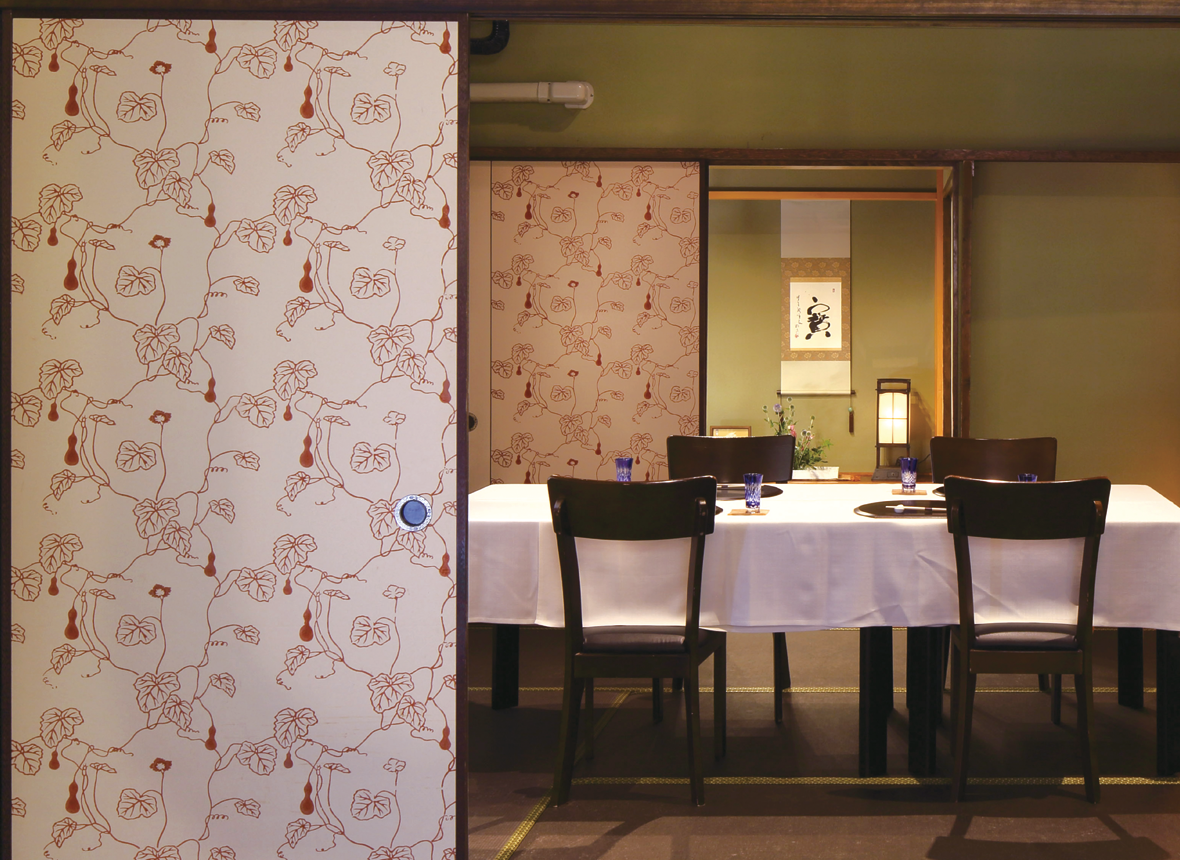
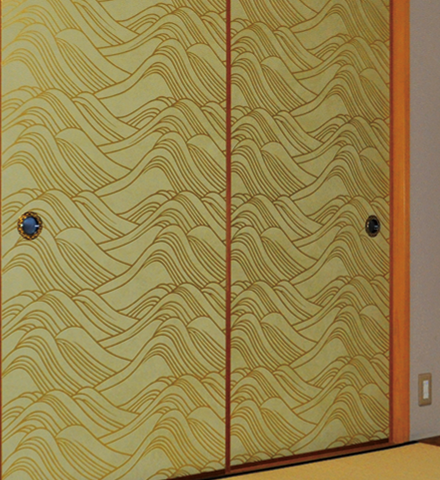
「唐紙(からかみ)」は平安時代の頃、唐から輸入していたを紙料として漉かれた紙に文様が摺られていたもののことで、当初は和歌をしたためる詠草料紙として京都で作成されていました。その潔い模様の数々は「からかみ文様」と言われ、いつの頃からか生まれた室内装飾としての「からかみ襖」を代表に、数百年の時を経て今もなお愛され続けています。
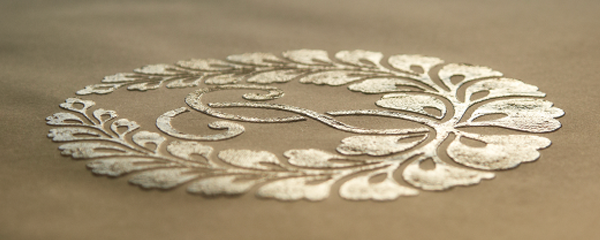
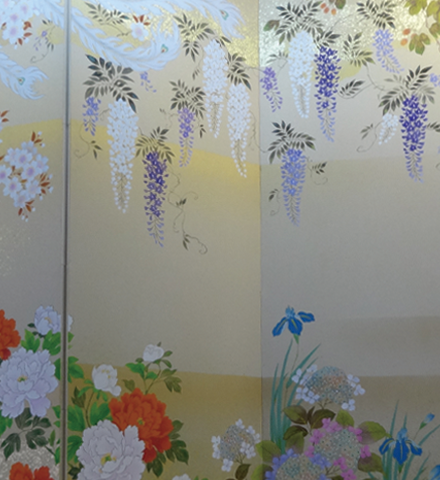
大判の和紙や、柄によっては障子紙などにも柄付が可能なので統一した室内装飾ができます。紗型を使用し胡粉や雲母といった粒感のある染料を刷るため、紙は表面が平滑なものにある程度限られますが、紙の色目や摺り色の組み合わせによって落ち着きのあるものや、大胆なものといった全く異なる空間演出をお楽しみいただけます。
The origins of “Karakami” trace back to the Heian period, when patterns were hand-printed onto exquisite papers originally imported from Tang Dynasty China. Initially crafted in Kyoto as eiso-ryoshi—elegant stationery for composing waka poetry—these distinctive motifs, known as Karakami-monyo, eventually evolved into essential elements of interior architecture. For centuries, the “Karakami Fusama” has remained a beloved centerpiece of Japanese decor, transcending time to grace modern spaces.
Our Karakami can be applied to large-format washi and even shoji paper, allowing for a seamless and unified interior aesthetic. The process utilizes shagata (silkscreen frames) to hand-print pigments with palpable textures, such as gofun (shell flour) and kira (mica). While this technique requires a relatively smooth surface to achieve its signature precision, the interplay between the base paper’s hue and the chosen printing ink offers limitless possibilities. From understated, tranquil settings to bold, avant-garde statements, Karakami allows you to curate an atmosphere that is uniquely yours.