万華鏡 Mangekyo
越前手漉き和紙
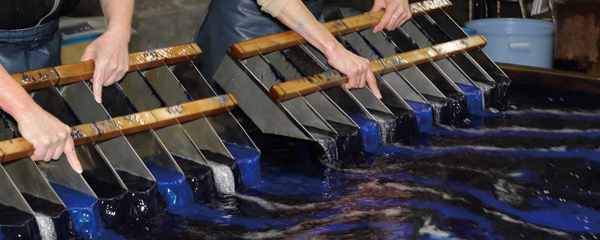
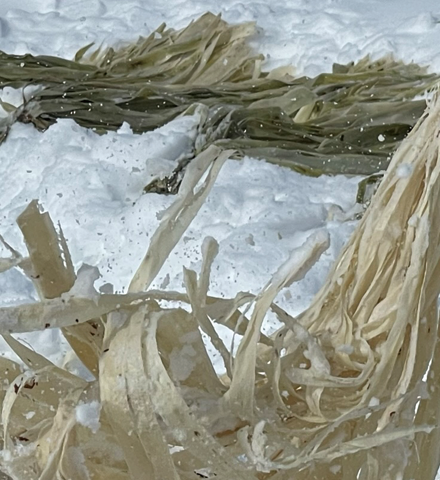
和紙を作製する技法には大きく分けて「流し漉き」と「溜め漉き」があり、繊維を絡めることで丈夫さを増幅させる「流し漉き」に対し、「溜め漉き」は水の流れを利用して幅の広い表情を出すことができる技法となっています。
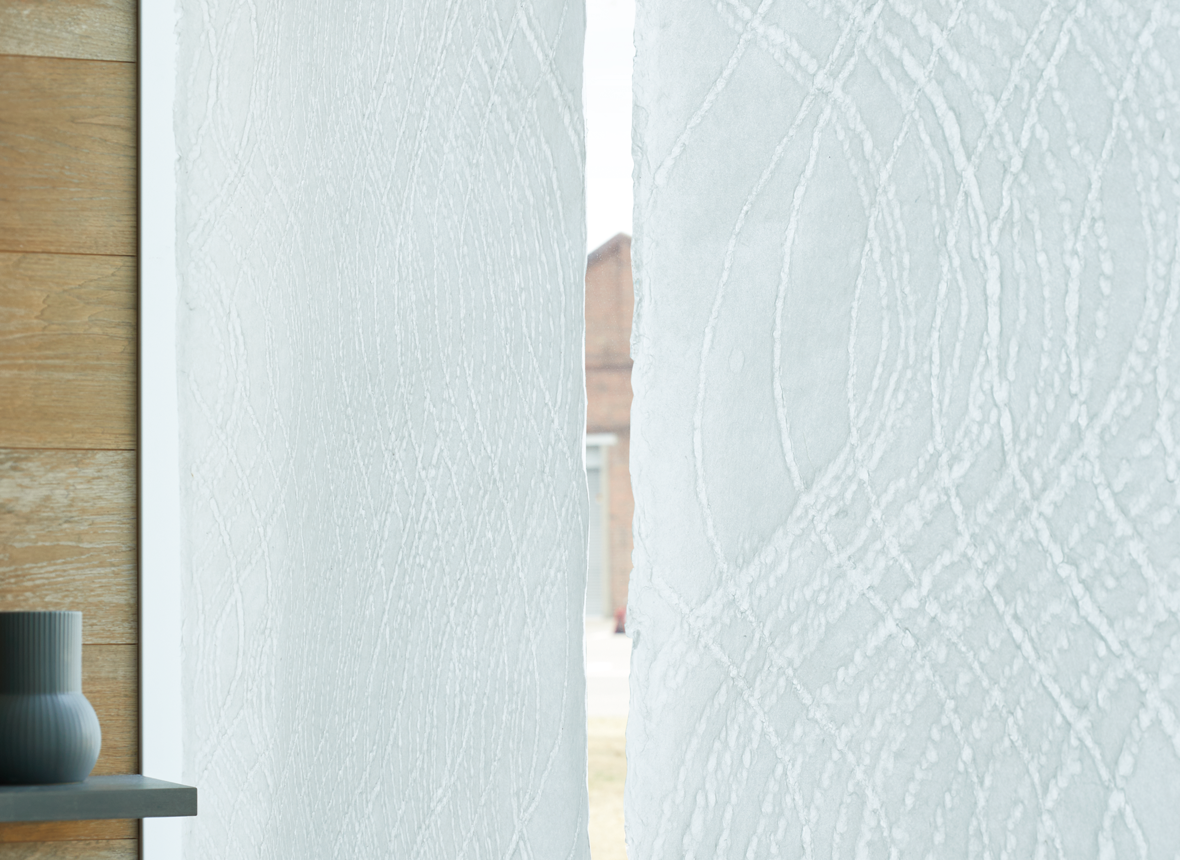
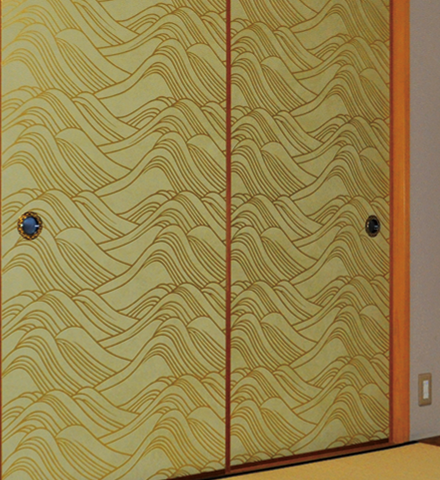
万華鏡は、その両方の技法を用い、水の流れと繊維の厚みを巧みに操ることでできた柄をシリーズ化したものです。
室内に設置することを前提として作成されているため、仕上げは本鳥の子と同様に板干しで仕上げられており、光に透かすことで柄の表情はさらに豊かになるため照明とともにお使いになることもできます。
その時々によって変わる水の流れに沿ってたゆたう繊維が織りなす、機械漉きにはできない越前の技。この世にまったく同じ柄は存在しない、その1枚1枚が唯一無二の和紙です。
In the world of washi craftsmanship, there are two primary traditions: nagashisuki (displacement) and tamesuki (accumulation). While nagashisuki is renowned for producing exceptionally strong paper through the intricate intertwining of fibers, tamesuki excels in capturing a broad, expressive range of textures through the natural flow of water. The “Mangekyo” series is a masterful synthesis of both techniques, skillfully manipulating water currents and fiber density to create patterns of profound depth.
Designed specifically for interior environments, these papers are finished using the traditional itahoshi (wooden board drying) method, consistent with the prestigious Hon-Torinoko. This process ensures a superior texture that reveals even greater richness when backlit, making it an ideal choice for bespoke lighting or translucent screens. The sight of fibers swaying along the ephemeral currents—a hallmark of Echizen’s artisanal prowess—creates a visual complexity that no machine can ever achieve. With patterns that vary with every pour, each sheet of “Mangekyo” is a singular work of art, existing as the only one of its kind in the world.