唐紙とは COLUMN
唐紙は古くに「唐」の国から伝えられた装飾和紙です。
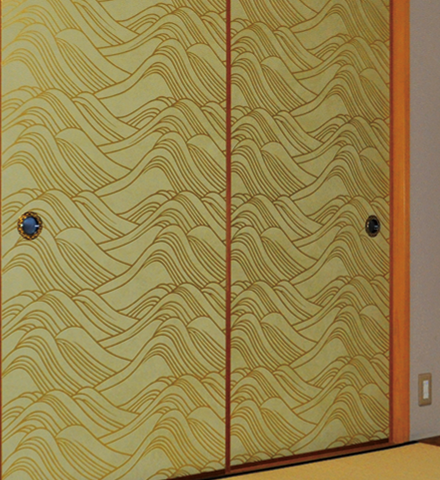
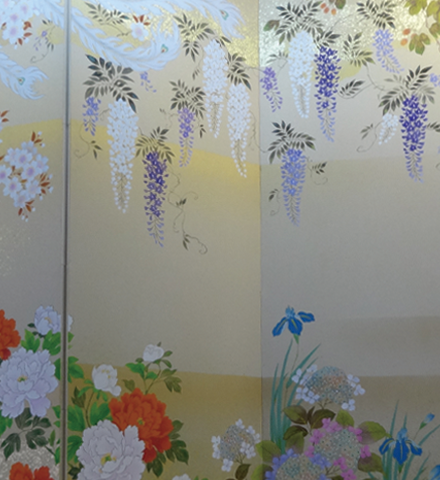
唐紙(からかみ)とは、主に襖(ふすま)を飾るために用いられてきた日本の伝統的な装飾和紙の一種です。その独特な雰囲気は古くから人を惹きつけ現在も根強い人気を保っています。起源は中国唐時代に遡るとされており、日本には奈良時代から平安時代にかけて伝わりました。その後、日本で独自の発展を遂げ、貴族や町人が文化を謳歌した平安時代から江戸時代にかけて広く用いられるようになり、紙や摺り色に趣向を凝らす流れが生まれました。
Karagami is a type of traditional Japanese decorative washi paper primarily used to adorn fusuma (sliding doors). Its unique ambiance has captivated people for centuries and continues to be highly popular today. Its origins are believed to date back to the Tang Dynasty in China, and it was introduced to Japan during the Nara to Heian periods. Subsequently, it underwent unique development in Japan and became widely used from the Heian to Edo periods, a time when both aristocrats and townspeople enjoyed a flourishing culture. During this period, there emerged a trend of creating intricate designs with paper and printing colors.
人を惹きつけ続ける魅力
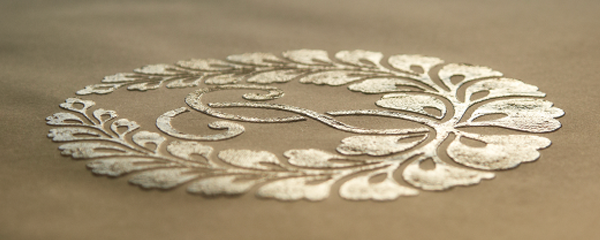
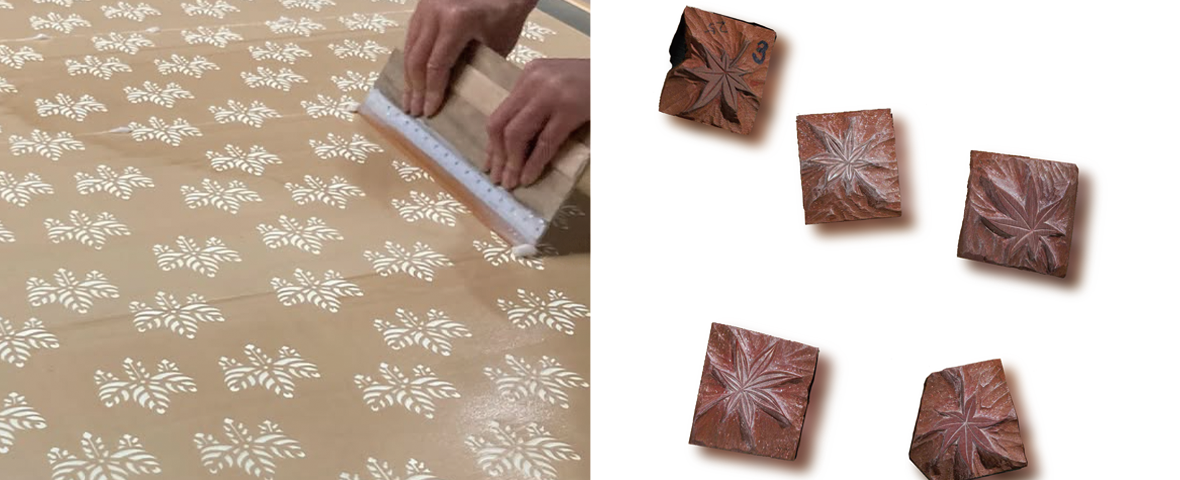
人々を惹きつけるその魅力は、大胆でデザイン性の高い文様が様々な色彩で施されていることと、その文様が摺られている和紙の美しさに他なりません。そしてその工程が人の手によって行われるからこそ生じる「揺らぎ」によって魅力が完成されるのではないでしょうか。
加徳ではさまざまな柄、ベースとなる和紙を取り揃えてお好みの唐紙をお作りしています。
The allure that draws people to karagami lies in the bold, highly designed patterns applied in various colors, as well as the beauty of the washi paper on which these patterns are printed. The charm is completed by the ‘wavering’ that occurs because the process is done by hand.
At Katoku, we offer a variety of patterns and base Japanese papers so you can create your ideal karakami.